The impact of gambling addiction on mental health and recovery paths
The psychological effects of gambling addiction
Gambling addiction significantly impacts mental health, often leading to anxiety, depression, and a sense of hopelessness. Individuals may experience heightened stress levels as they grapple with the consequences of their gambling behavior, including financial instability and strained relationships. For those looking to explore new gaming options, Mega Medusa Casino Australia offers a variety of games that can create a temporary escape, but this often leads to a vicious cycle where the individual feels compelled to gamble more to recover losses, perpetuating feelings of inadequacy and despair.
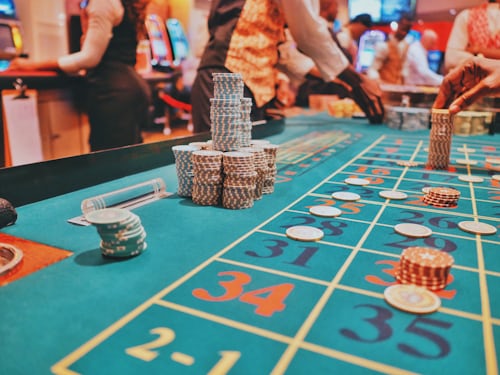
The psychological toll of gambling addiction can manifest in various ways. Affected individuals may isolate themselves from family and friends, feeling ashamed or embarrassed about their behavior. This isolation can further exacerbate feelings of loneliness and depression, creating a harmful feedback loop. Moreover, the adrenaline rush associated with gambling can alter the brain’s chemistry, reinforcing addictive behaviors and making it increasingly challenging to break free from the cycle of addiction.
Furthermore, the societal stigma surrounding gambling addiction can deter individuals from seeking help. Many may perceive gambling as a personal failure rather than a recognized mental health disorder. This lack of understanding can prevent those affected from accessing necessary resources and support, ultimately leading to more severe mental health issues. Understanding these psychological impacts is crucial for promoting awareness and encouraging individuals to seek help.
The relationship between gambling addiction and mental health disorders
The link between gambling addiction and various mental health disorders is well-documented. Many individuals with gambling problems also experience conditions such as anxiety disorders, mood disorders, and substance abuse issues. This co-occurrence complicates treatment, as the underlying mental health issues can exacerbate the gambling addiction and vice versa. Therefore, a comprehensive treatment plan addressing both the addiction and the co-existing mental health conditions is essential for effective recovery.
In many cases, individuals may resort to gambling as a coping mechanism for underlying emotional distress. For instance, someone struggling with depression may find solace in the excitement of gambling, leading to an increased risk of addiction. This can create a dangerous cycle where the person turns to gambling to escape their mental health struggles, only to find that their addiction worsens their emotional state over time.
Additionally, untreated mental health disorders can lead to increased impulsivity and poor decision-making, further exacerbating gambling addiction. Understanding this relationship allows healthcare professionals to tailor interventions and support systems that address the unique needs of each individual, fostering a more holistic approach to recovery.
Identifying signs of gambling addiction
Recognizing the signs of gambling addiction is crucial for early intervention and effective treatment. Individuals may exhibit behavioral changes such as increased secrecy, withdrawal from social activities, and a preoccupation with gambling. They might also display symptoms of distress when unable to gamble, indicating a growing dependency. Financial issues, such as accumulating debt or borrowing money to fund gambling activities, are also red flags that should not be ignored.
Emotional signs can be just as telling. Individuals may experience anxiety or irritability when not gambling, leading to a reliance on gambling as a primary source of pleasure or escape. Additionally, feelings of guilt or remorse after gambling sessions can indicate a loss of control over their behaviors. Recognizing these signs early can pave the way for seeking help and reducing the negative consequences of gambling addiction.
Support from friends and family plays a critical role in this identification process. Loved ones may notice changes in behavior or emotional well-being that the individual may not recognize themselves. An open dialogue about gambling habits can create a supportive environment where individuals feel safe discussing their struggles and seeking help, ultimately leading to a greater chance of successful recovery.
Recovery paths and treatment options
Recovery from gambling addiction is a multifaceted process that often requires professional help and support. Treatment options include cognitive-behavioral therapy, which focuses on changing unhealthy thought patterns and behaviors associated with gambling. This form of therapy has shown effectiveness in helping individuals develop coping strategies and recognize triggers that lead to gambling urges. Additionally, support groups such as Gamblers Anonymous provide a community of understanding and shared experiences, crucial for long-term recovery.
Medication may also play a role in treatment for those dealing with co-occurring mental health disorders. Certain medications can help manage symptoms of anxiety and depression, making it easier for individuals to focus on their recovery journey. However, medication should be used as part of a comprehensive treatment plan that includes behavioral therapies and support networks to ensure the best outcomes.
Developing a robust aftercare plan is essential for maintaining progress post-recovery. This may involve ongoing therapy, participation in support groups, and establishing healthy routines that prioritize mental and emotional well-being. Building a strong support network and developing alternative coping strategies can significantly reduce the risk of relapse, promoting a healthier, more balanced lifestyle.

Exploring resources for gambling addiction recovery
For those struggling with gambling addiction, numerous resources are available to support recovery efforts. Online platforms offer educational materials, helplines, and forums where individuals can share their experiences and find encouragement from others facing similar challenges. These resources play a vital role in breaking the stigma surrounding gambling addiction and promoting a greater understanding of its psychological impacts.
Professional counseling services are also crucial for individuals seeking personalized support. Therapists trained in addiction recovery can provide tailored treatment plans that address both gambling behaviors and underlying mental health issues. Many communities also offer local support groups, providing a safe space for individuals to connect and share their journeys toward recovery.
It is essential for those affected by gambling addiction to recognize that recovery is possible and that help is available. By seeking out resources and support, individuals can take the first steps towards reclaiming their lives and building a healthier future free from the grips of addiction. Whether through professional counseling, support groups, or online resources, the path to recovery is within reach.